
 By vmg@gmail.com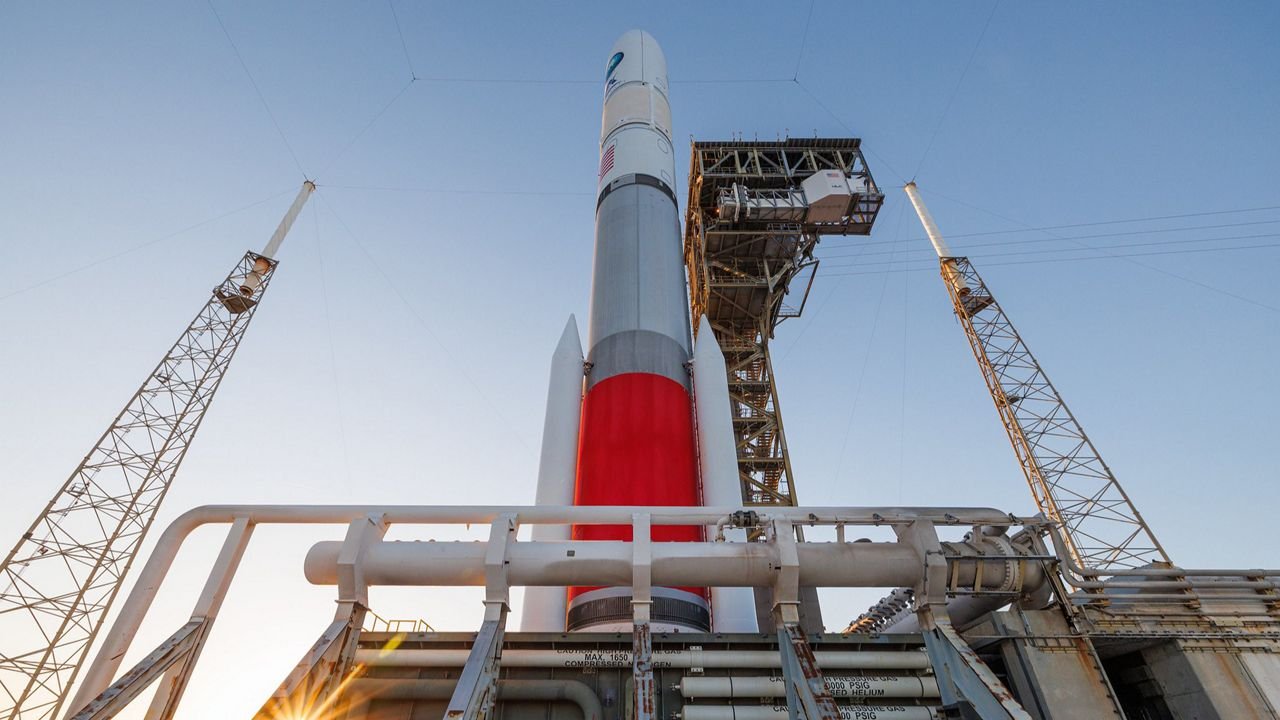
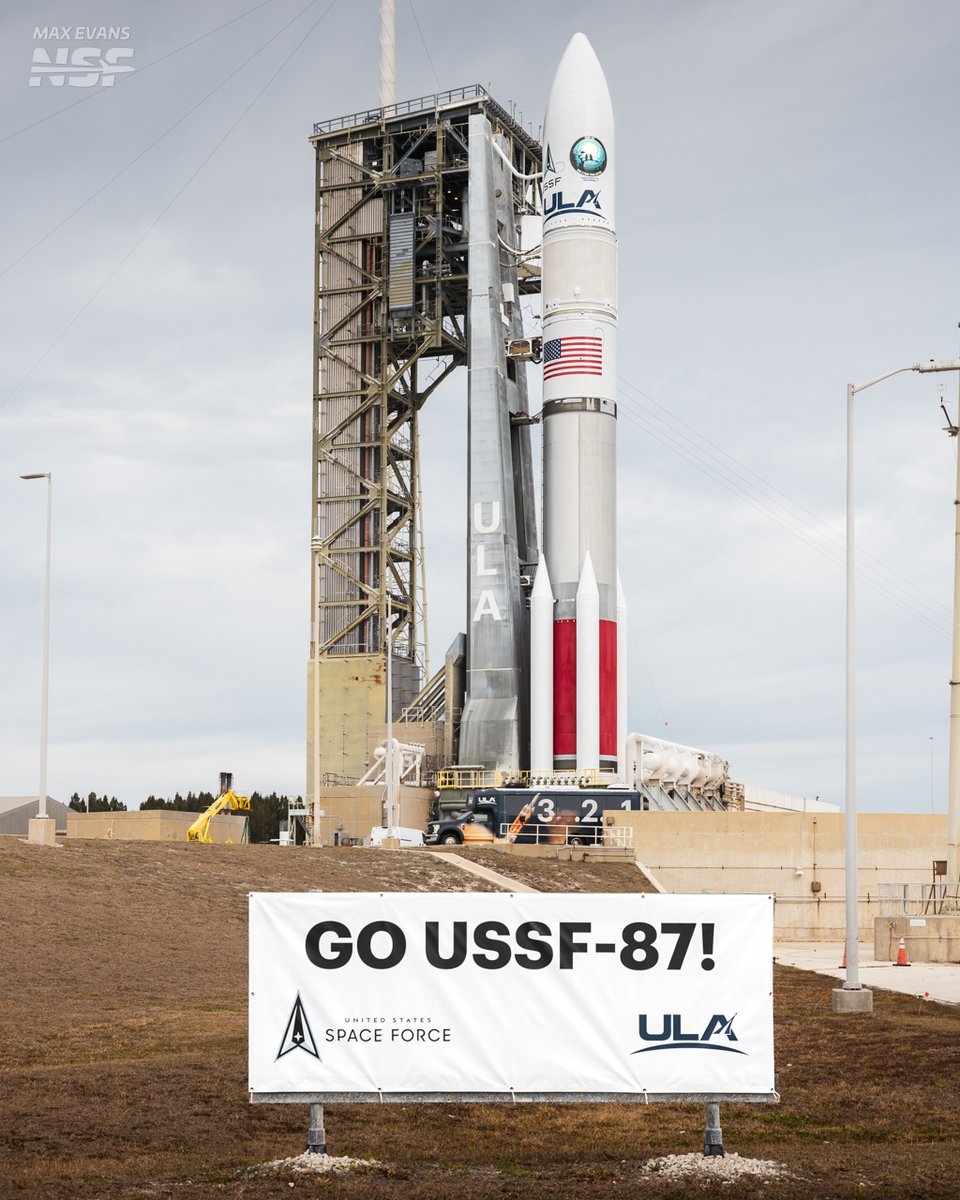
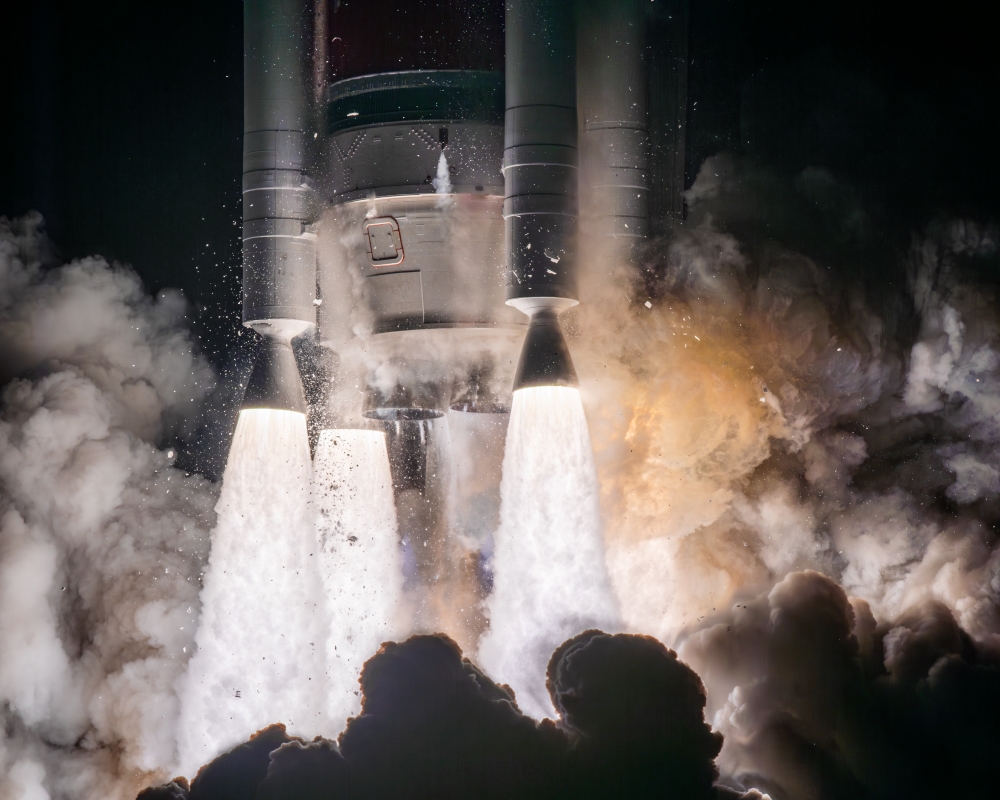
United Launch Alliance (ULA) is preparing for a predawn launch of its Vulcan rocket on Thursday, marking the company’s first mission of 2026 and its second national security flight using the next-generation launch vehicle.
The mission, designated USSF-87, will carry surveillance satellites to geosynchronous Earth orbit (GEO) on behalf of the U.S. Space Force.
Liftoff is scheduled for 3:30 a.m. EST (0830 UTC) from Space Launch Complex 41 at Cape Canaveral Space Force Station. The rocket will launch at the opening of a two-hour window and head east over the Atlantic Ocean.
📍 Mission Overview
The USSF-87 mission is notable for several reasons:
- It will be ULA’s longest mission to date, lasting approximately 10 hours from launch to mission completion.
- It is designed to deploy payloads directly into geosynchronous orbit, about 22,000 miles (35,000 km) above Earth.
- It supports highly complex national security objectives.
Gary Wentz, ULA’s Vice President of Atlas and Vulcan Programs, said Vulcan was specifically engineered for missions like this.
“Vulcan was purpose built… significant payloads to very complex orbits, multi-manifested national security space, direct to GEO,” Wentz said.
🌤️ Weather Outlook: 95% Favorable
The 45th Weather Squadron forecast a 95% chance of favorable conditions at liftoff.
Key weather notes:
- Light overnight winds could allow shallow mist to form.
- No significant precipitation is expected.
- Forecasters are monitoring solar activity due to a potential increase in X-ray flares.
Overall, launch weather is considered highly favorable.
🔧 Rocket Configuration: VC4S
4
The Vulcan rocket flying on this mission carries the V-005 designation and is configured as VC4S, which includes:
- Four GEM 63XL solid rocket boosters (SRBs)
- A 51-foot-long (15.5 m) payload fairing
- A Centaur 5 upper stage
Mission timeline highlights:
- SRBs will separate less than two minutes after liftoff.
- The Vulcan booster will separate from the Centaur 5 upper stage around five minutes into flight.
- Payload deployment timing remains undisclosed due to national security considerations.
🛰️ What’s Onboard: GSSAP Satellites

The primary payload consists of satellites from the Geosynchronous Space Situational Awareness Program (GSSAP).
According to the Space Force’s Space Systems Command, GSSAP satellites are:
- High-performance space surveillance sensors
- Designed to monitor activity in geostationary orbit
- Part of the U.S. Space Command’s broader Space Surveillance Network
Neither ULA nor the Space Force disclosed how many satellites are aboard the mission. Historically, GSSAP satellites have launched in pairs.
Previous GSSAP Launches
- 2014: First pair (Delta IV)
- 2016: Second pair (Delta IV)
- 2022: GSSAP-5 and 6 (Atlas V)
One early satellite was retired to a graveyard orbit in 2023. The Space Force has since ordered two additional satellites from Northrop Grumman.
🛰️ Additional Payloads: ESPAStar Platform
In addition to GSSAP, USSF-87 carries research, development, and training systems mounted on Northrop Grumman’s ESPAStar platform.
The ESPAStar spacecraft can host:
- Up to six hosted payloads
- Up to 12 deployable payloads
These systems will help Space Force Guardians:
- Refine precision on-orbit maneuver tactics
- Test resiliency strategies in GEO
- Enhance protection capabilities in space
🌍 Why Geosynchronous Orbit Matters
Geosynchronous orbit sits roughly 22,000 miles above Earth and allows satellites to match Earth’s rotation. From this vantage point, spacecraft can:
- Monitor communications satellites
- Track potential threats
- Conduct space domain awareness operations
- Provide persistent coverage over specific regions
GEO remains one of the most strategically important regions in space for national security.
📌 Key Takeaways
- ULA’s Vulcan rocket will launch the USSF-87 mission at 3:30 a.m. EST.
- The mission lasts approximately 10 hours — ULA’s longest to date.
- GSSAP satellites will enhance surveillance in geosynchronous orbit.
- The rocket flies in VC4S configuration with four solid rocket boosters.
- Weather conditions are 95% favorable for launch.