
 By vmg@gmail.com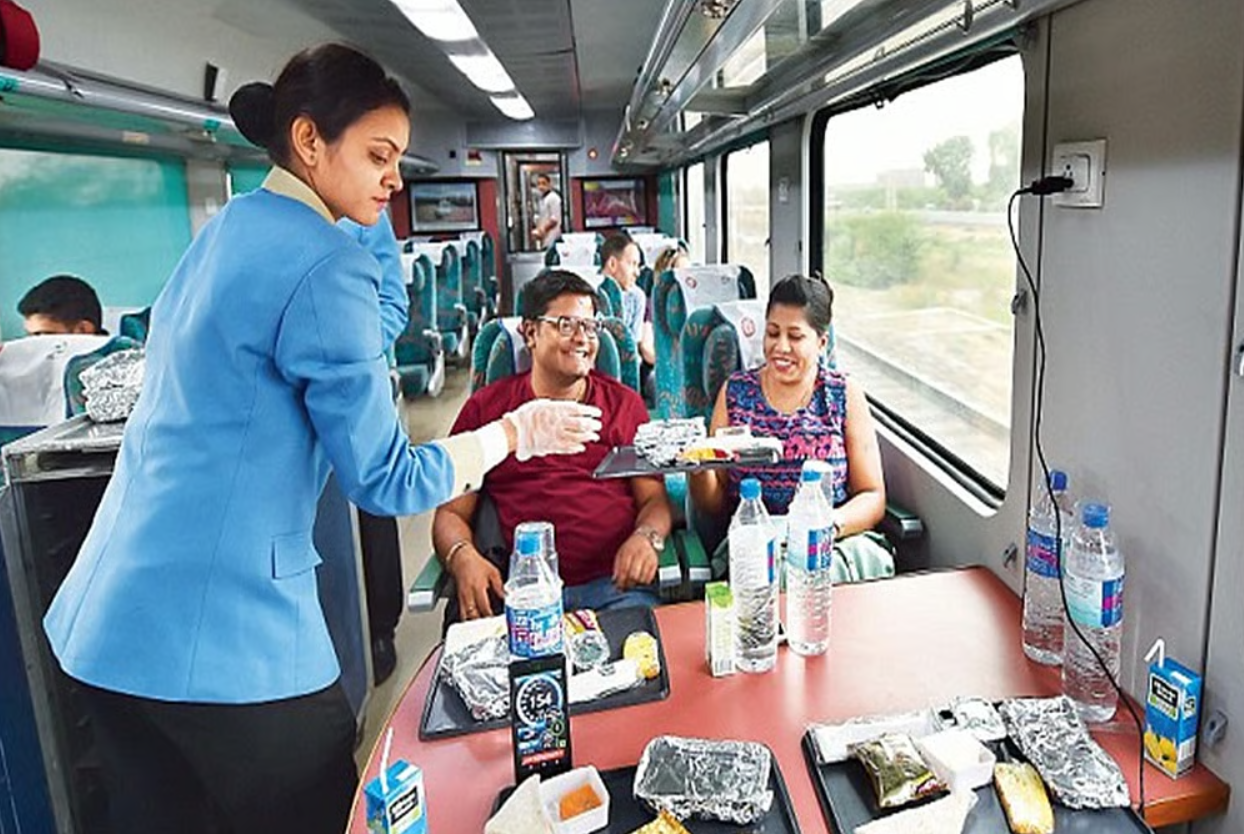
The Indian Railway Catering and Tourism Corporation has instructed its catering partners across railway stations to adopt alternative cooking methods such as induction stoves and microwave ovens after reports of disruptions in liquefied natural gas (LNG) supplies.
The decision comes as the ongoing crisis in West Asia (Middle East) begins to affect energy supply chains worldwide, including India. The directive applies to multiple food service units operated under IRCTC across the country.
These include:
- Food Plazas
- Refreshment Rooms
- Jan Aahar outlets
- Base kitchens supplying meals to trains
Railway officials said the move is a precautionary step to maintain uninterrupted catering services for passengers.
Why IRCTC Issued the Directive
The directive was issued after several food service providers reported difficulties in procuring LNG and LPG supplies, which are widely used for cooking in railway catering kitchens.
India imports a significant portion of its energy requirements, and geopolitical tensions in the Middle East can directly impact supply availability.
Key Reasons Behind the Decision
- LNG supply disruption linked to West Asia conflict
- Shortage of LPG cylinders affecting commercial kitchens
- Need to maintain railway catering services without disruption
- Rising energy supply uncertainty in the global market
By shifting to electric cooking systems, IRCTC aims to ensure continuity of food preparation and distribution across railway stations.
Railway Catering Services Affected
Railway catering operations are a massive network that serves millions of passengers every day.
IRCTC manages food preparation through centralized base kitchens that supply meals to long-distance trains.
How the Shortage Is Affecting Railway Catering
| Area | Impact |
|---|---|
| Base Kitchens | Difficulty preparing meals due to LPG shortage |
| Railway Stations | Food stalls facing cooking fuel issues |
| Pantry Cars | Limited cooking capability onboard |
| Passenger Meal Services | Potential delays or reduced menu options |
Officials noted that if the situation worsens, IRCTC may temporarily suspend cooked meal services on certain trains.
Passengers who had pre-booked meals while reserving tickets could receive refunds if services are disrupted.
Pantry Cars Mostly Reheat Food
Most pantry cars on trains are not designed for full cooking operations.
Instead, they mainly function as distribution and reheating units.
This means:
- Food is prepared at base kitchens on land
- Meals are then transported to trains
- Pantry staff reheat and serve food to passengers
If base kitchens face cooking fuel shortages, it could directly affect food supply to long-distance trains.
Alternative Cooking Methods Recommended by IRCTC
To deal with the shortage, IRCTC has asked license holders to adopt electric cooking systems.
Suggested Cooking Alternatives
- Electric induction stoves
- Microwave ovens
- Electric grills
- Hot plates
- Electric steamers
These solutions help kitchens continue operating without depending heavily on LPG or LNG fuel supplies.
Impact of Middle East Crisis on Energy Supplies
The Middle East region plays a critical role in global energy markets.
Many countries, including India, rely on energy imports from this region.
When geopolitical tensions rise, it can lead to:
- Disruption in oil and gas shipments
- Higher crude oil prices
- Reduced LNG availability
- Increased import costs for countries
This can affect industries such as:
- Transportation
- Food services
- Manufacturing
- Power generation
Government Response to the Situation
India’s Petroleum and Natural Gas Minister Hardeep Singh Puri addressed concerns regarding the energy supply situation.
He assured that domestic energy supplies remain stable, and the government is working to diversify energy imports beyond West Asia.
Key Government Assurances
- Continuous supply of CNG (Compressed Natural Gas)
- Uninterrupted PNG (Piped Natural Gas) supply
- Efforts to secure alternative energy import sources
- Monitoring of global energy markets
The government aims to reduce dependence on a single region for energy imports.
Major IRCTC Food Services at Railway Stations
IRCTC operates several types of food service outlets across Indian railway stations.
Types of Railway Food Centers
| Outlet Type | Description |
|---|---|
| Food Plaza | Full-service restaurants at stations |
| Jan Aahar | Affordable meals for passengers |
| Refreshment Rooms | Quick snacks and beverages |
| Base Kitchens | Large-scale cooking units supplying trains |
These outlets collectively serve millions of passengers daily, making uninterrupted operations critical.
Key Highlights
- IRCTC asked caterers to switch to electric cooking methods.
- The decision follows a reported LNG supply cut linked to the Middle East crisis.
- Railway catering kitchens are facing LPG and LNG shortages.
- Pantry cars mostly reheat food instead of cooking onboard.
- Government assures stable domestic CNG and PNG supply.
Conclusion
The global energy supply chain remains highly sensitive to geopolitical tensions, and the ongoing crisis in West Asia has started to impact industries in India, including railway catering services.
By directing caterers to adopt electric cooking technologies, IRCTC is attempting to minimize disruptions and ensure that passengers continue receiving food services at railway stations and onboard trains.
The situation highlights how global conflicts can quickly influence everyday services, even something as routine as meals served on trains.