
 By vmg@gmail.com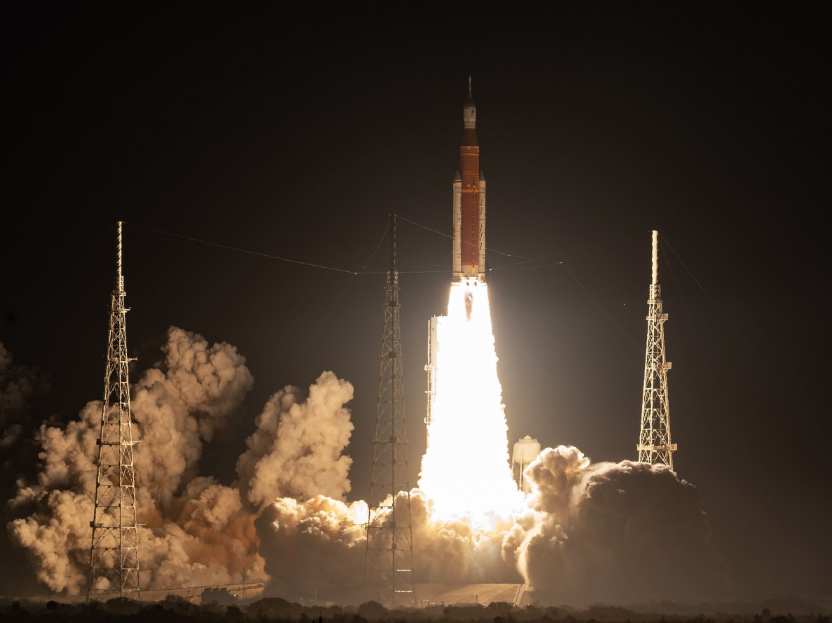
In a deeply concerning revelation, a new report from NASA has classified the Boeing Starliner incident as a life-threatening “Type A mishap” — the agency’s most serious safety category.
The spacecraft, built by Boeing, experienced major thruster failures during its first crewed test flight in June 2024, leaving astronauts Butch Wilmore and Suni Williams in a dangerously unstable position while en route to the International Space Station (ISS).
A senior NASA official admitted:
“We almost did have a really terrible day.”
🛰 What Went Wrong With Starliner?
The Starliner capsule lost control due to thruster failures during its approach to the ISS. The propulsion system malfunction left the spacecraft in what investigators described as a “departure from controlled flight.”
Key Issues Identified:
- Thrusters failed mid-flight
- Spacecraft became difficult to control
- Manual intervention required to regain control
- Propulsion system showed further issues during re-entry
- Capsule returned to Earth without astronauts
Wilmore and Williams managed to restart the propulsion system and manually dock with the ISS — a move that likely prevented disaster.
⚠️ Classified as a “Type A Mishap”

NASA’s report categorized the incident as a Type A mishap — the same classification level as the Space Shuttle disasters of 1986 and 2003.
This means the event was:
- Life-threatening
- A major departure from safety standards
- Capable of catastrophic consequences
Initially, NASA failed to classify it correctly, raising concerns about internal oversight.
📊 What the Investigation Found
| Issue | Details |
|---|---|
| Propulsion Failure | Multiple thrusters malfunctioned |
| Leadership Mistakes | Cultural breakdown between NASA and Boeing |
| Technical Oversight | Capsule not fully ready for crewed flight |
| Re-entry Concerns | Thrusters still malfunctioned on return |
| Safety Classification Delay | Mishap not immediately labeled Type A |
The report suggests NASA may have been under pressure to create an alternative to SpaceX for ISS crew transportation.
🔧 Long-Standing Starliner Problems
The Boeing Starliner program has faced several development issues:
- Flammable tape used in electrical systems
- Parachute system testing failures
- Software glitches during earlier missions
- Delays stretching years behind schedule
NASA leadership now admits the spacecraft was not ready for a crewed mission.
Boeing has since stated it has made “significant cultural changes” and implemented corrective measures.
👩🚀 The Astronauts’ Extended Stay
Wilmore and Williams were originally scheduled for a 10-day mission. Instead, they remained aboard the ISS for nine months while NASA assessed risks.
Eventually:
- The Starliner capsule returned to Earth without them
- NASA arranged alternative transportation
- Both astronauts have since retired
🌕 Meanwhile, NASA Prepares Artemis Moon Mission

Even as the Starliner crisis unfolds, NASA is preparing for its Artemis moon mission using the Artemis program and the powerful Space Launch System (SLS).
However, this program has also faced setbacks:
- Hydrogen fuel leaks during testing
- Heatshield performance concerns
- Countdown rehearsal aborted due to seal failure
NASA insists the rocket will only launch when it is fully confident in its safety.
🔎 Why This Matters
Human spaceflight demands zero tolerance for safety shortcuts.
This incident highlights:
- The risks of rushing aerospace development
- The importance of internal safety culture
- The complexity of spacecraft propulsion systems
- The dangers of political and commercial pressure
NASA has promised improved oversight and transparency moving forward.
🧠 What Happens Next?
Before Starliner flies again:
- Engineers must determine root cause of thruster failures
- NASA must re-certify the spacecraft
- Safety procedures must be updated
- Cultural reforms must be verified
Until then, NASA continues to rely heavily on SpaceX for ISS crew transport.
✍️ Final Thoughts
The Starliner mishap could have ended in tragedy. Instead, it became a wake-up call for NASA and Boeing.
As space exploration accelerates — from ISS missions to moon landings — safety must remain the top priority. The Artemis launch may mark a new chapter in exploration, but lessons from Starliner will shape the future of human spaceflight.
One thing is clear: space remains unforgiving, and preparation must be absolute.