
 By vmg@gmail.com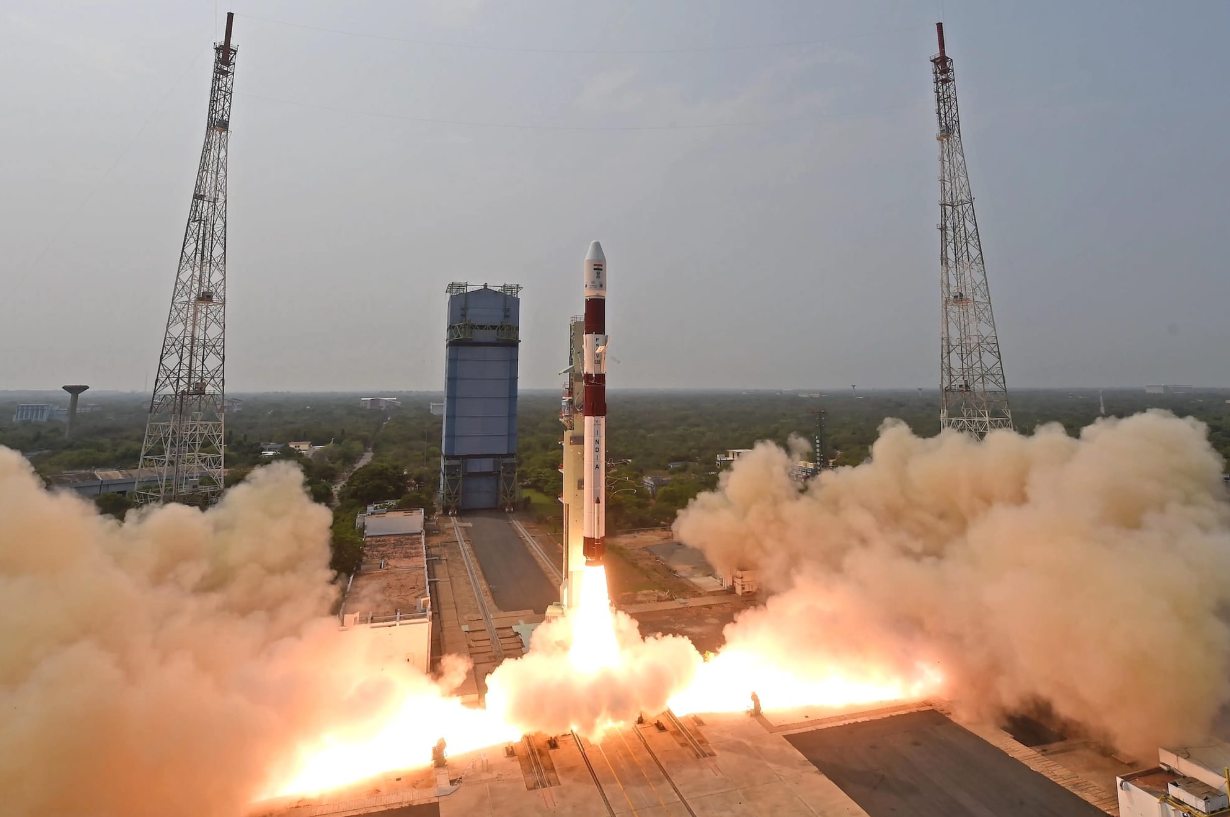
The Polar Satellite Launch Vehicle (PSLV) has long been regarded as the backbone of India’s space programme—a reliable workhorse that helped ISRO build global credibility. However, two consecutive mission setbacks, first with PSLV-C61 in May 2025 and now the PSLV-C62 mission in January 2026, have raised serious questions.
While ISRO has not officially declared PSLV-C62 a complete failure, the apparent underperformance of the PS3 stage has sparked concern, especially given ISRO’s aggressive push to market PSLV as a commercial launch vehicle.
📌 A Rare Occurrence for ISRO
Historically, PSLV boasts an exceptional success rate, with over 95% mission success since its debut in 1993. Failures are rare — and two anomalies in succession are unprecedented in recent decades.
| Mission | Date | Issue |
|---|---|---|
| PSLV-C61 | May 18, 2025 | Launch failure |
| PSLV-C62 | January 12, 2026 | PS3 stage underperformance |
This sequence has naturally led to scrutiny from both domestic stakeholders and international customers.
🔧 Why the PS3 Stage Matters
The PS3 stage of PSLV is a solid-fuel motor, known for its:
- High reliability
- Mature technology
- Proven flight heritage
Unlike cryogenic or semi-cryogenic engines, solid motors are less complex and are expected to perform consistently.
👉 That’s what makes these failures troubling.
A technologically mature component “should not fail”—yet it apparently has, twice in a row.
💼 Commercial Implications for ISRO
ISRO, through NewSpace India Limited (NSIL), has been positioning PSLV as a globally competitive commercial launcher, especially for:
- Small satellites
- Earth observation payloads
- International customers
Potential Impact:
- ⚠️ Loss of customer confidence
- ⚠️ Increased insurance premiums
- ⚠️ Greater scrutiny before future contracts
- ⚠️ Temporary slowdown in launch bookings
In a competitive global market dominated by SpaceX, Rocket Lab, Arianespace, reliability is non-negotiable.
🌍 Strategic & National Significance
PSLV isn’t just a commercial rocket — it is central to:
- India’s Earth observation missions
- National security satellites
- Climate monitoring
- Disaster management
Repeated anomalies could delay key satellite deployments, affecting both civilian and strategic capabilities.
🔍 What ISRO Is Likely to Do Next
Based on past practice, ISRO is expected to:
- Launch a high-level failure analysis committee
- Re-evaluate PS3 manufacturing & quality checks
- Conduct ground tests before next PSLV flight
- Temporarily slow commercial launches if required
ISRO has a strong track record of learning from failures — the GSLV Mk-III cryogenic programme is a prime example.
📊 Does This Threaten ISRO’s Reputation?
Short answer: No — but it is a warning sign.
ISRO’s credibility was built over decades, and two failures do not erase that legacy. However:
- Repeated issues without transparent fixes could erode trust
- Commercial ambitions demand near-perfect reliability
In global spaceflight, consistency matters more than history.
🧠 Bigger Picture: A Stress Test for ISRO
Rather than a crisis, these failures represent a stress test:
- Of ISRO’s quality control
- Of its transition from research agency to commercial player
- Of its ability to balance speed, scale, and safety
Handled correctly, this episode could strengthen ISRO, not weaken it.
🏁 Final Thoughts
Two PSLV setbacks in a row are rare and concerning, especially given the rocket’s flawless reputation. The focus now shifts to root-cause identification, process correction, and restoring confidence.
ISRO has bounced back from tougher challenges before — and how it responds now will define the next phase of India’s space journey.